
Tennis Elbow Physiotherapy in Brooks for elbow pain, grip weakness, strengthening, rehabilitation and a safe return to daily activities.
Pain around the outside of your elbow can make gripping, lifting, typing, playing sports, or even opening a jar uncomfortable. If the discomfort keeps returning or starts affecting everyday activities, Tennis Elbow Physiotherapy in Brooks can help identify the contributing factors and build a progressive recovery plan.
Despite its name, tennis elbow does not only affect tennis players. It can develop from repeated gripping, lifting, wrist movements, or other activities that place repeated stress on the tendons around the elbow. MyHealth Alberta’s information on tennis elbow provides additional information about symptoms, causes, and treatment.
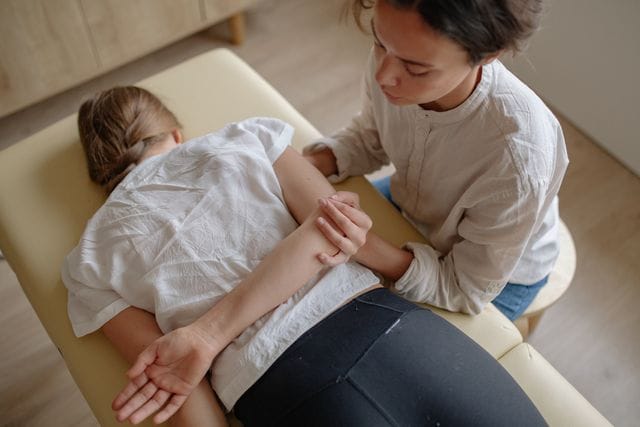
Tennis elbow, also called lateral epicondylitis, involves pain around the outside of the elbow. It is commonly associated with overuse of the muscles and tendons that help extend the wrist and fingers.
You may notice:
The discomfort can develop gradually rather than from one obvious injury.
Tennis elbow is generally associated with repeated loading of the muscles and tendons around the forearm.
Frequent gripping can place repeated stress on the forearm muscles. This may occur during sports, manual work, or certain hobbies.
Activities involving frequent wrist extension or repetitive hand movements can contribute to symptoms.
Tennis, badminton, golf, and other activities involving repeated gripping and wrist movement can increase the workload around the elbow.
Construction, gardening, mechanics, painting, and other physically demanding jobs may involve repeated gripping and lifting.
Increasing the amount or intensity of a particular activity without sufficient adaptation can also contribute to elbow pain.
Occasional soreness after an unfamiliar activity may settle with appropriate rest and activity modification. Persistent symptoms, however, should not simply be ignored.
Consider Tennis Elbow Physiotherapy in Brooks if:
A physiotherapist can assess the elbow, wrist, forearm, grip strength, movement patterns, and activities that may be contributing to your symptoms.
You can also explore Physiotherapy in Brooks to learn more about Mission Health’s physiotherapy services.
Effective rehabilitation usually involves more than simply resting the elbow.
Your physiotherapist may evaluate:
This helps determine what is aggravating the tendon and what needs to improve.
You may not need to stop using your arm completely.
Instead, your therapist can help identify movements that should temporarily be reduced or modified while maintaining appropriate activity.
MyHealth Alberta recommends avoiding or reducing activities that increase elbow pain and gradually returning to normal use as symptoms improve.
Strengthening the forearm and wrist muscles is often an important part of rehabilitation.
Exercises may initially involve controlled movements with little resistance before progressing toward more demanding loading.
The aim is to gradually improve the tendon and muscle system’s ability to tolerate the activities required for work, exercise, and everyday life.
Once strength improves, rehabilitation can become more specific to your activities.
For example, a tennis player may need progressive racket-related movements, while someone performing manual work may need exercises that replicate lifting, gripping, or tool use.
Mission Health’s Sports Injury Rehab in Brooks provides personalized rehabilitation for sports injuries and overuse problems, with progressive strengthening and activity-specific rehabilitation.
Exercise selection depends on your symptoms and current strength.
A rehabilitation program may include:
Controlled wrist extension can progressively strengthen the muscles involved in wrist movement.
Balanced forearm strength can help improve overall capacity during gripping and lifting activities.
Controlled gripping exercises may be introduced as symptoms allow.
Progressive resistance exercises can gradually increase the workload tolerated by the forearm muscles and tendons.
As recovery progresses, exercises can become more specific to work, sport, or daily activities.
The important factor is progression. An exercise that is appropriate later in rehabilitation may be too demanding during an irritated phase.
In many cases, you may still be able to exercise, but activities that significantly increase elbow pain may need to be modified.
For example, you may temporarily need to adjust:
You may still be able to train other parts of the body while your elbow rehabilitation progresses.
The objective is to maintain appropriate activity without repeatedly exceeding the elbow’s current tolerance.
Recovery varies considerably.
Some people improve with activity modification and rehabilitation, while persistent cases may require a longer period of progressive treatment.
Factors that can influence recovery include:
If your symptoms are persistent or interfering with normal activities, an assessment can help determine the most appropriate next step.
Yes. Returning immediately to the same repetitive activity that contributed to the original symptoms can increase the possibility of recurrence.
A long-term rehabilitation plan can therefore focus on building capacity rather than simply reducing pain.
Depending on your activities, this may involve:
No.
Pain around the elbow can have several causes, including tendon problems, joint injuries, nerve-related conditions, and other musculoskeletal issues.
That is why an accurate assessment is important, especially when pain is severe, persistent, associated with significant weakness, or follows a traumatic injury.
If your symptoms do not match a typical overuse pattern, a healthcare professional can determine whether further investigation is appropriate.
Mission Health Physiotherapy & Sports Rehab provides personalized physiotherapy and sports injury rehabilitation in Brooks.
Treatment can be adapted to your symptoms, work requirements, sports participation, and recovery goals. Rather than using a single exercise program for everyone, rehabilitation can progress according to your strength, movement, and tolerance.
If elbow pain is affecting your work, exercise, or sports, Tennis Elbow Physiotherapy in Brooks can provide a structured approach to assessment and recovery.
Learn more about Sports Injury Rehab in Brooks or explore Physiotherapy in Brooks for more information.
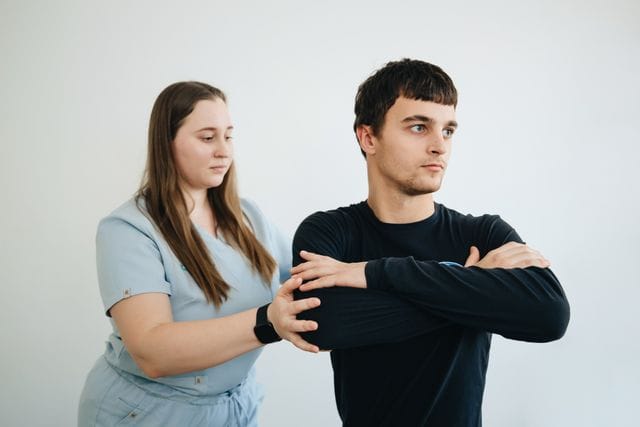
Yes. Physiotherapy can help assess contributing factors, manage activity, improve forearm strength, and progressively restore the elbow’s ability to tolerate daily and sporting activities.
No. Tennis elbow can affect anyone who performs repeated gripping, lifting, wrist movements, or other activities that place stress on the forearm.
Not necessarily. Activities that significantly aggravate the elbow may need to be modified, while other forms of exercise may remain appropriate.
Gradual increases in activity, progressive forearm strengthening, appropriate recovery, and managing repetitive workloads can help reduce the risk of recurring symptoms.
Consider an assessment if the pain persists, repeatedly returns, affects your grip or work, or prevents you from participating normally in sports or exercise.
Tennis elbow can affect much more than your ability to play tennis. Persistent elbow pain can interfere with work, exercise, hobbies, and everyday tasks that require gripping or lifting.
If outside elbow pain is limiting your activities, Tennis Elbow Physiotherapy in Brooks can help you work through assessment, progressive strengthening, activity modification, and a structured return to normal function.
Visit Mission Health Physiotherapy & Sports Rehab to learn more about physiotherapy and rehabilitation services in Brooks.