
Pelvic Floor Physiotherapy in Brooks: learn about pelvic floor symptoms, treatment options, rehabilitation and when to seek professional care.
Pelvic Floor Physiotherapy in Brooks is a topic worth understanding if you experience urinary leakage, pelvic discomfort, difficulty controlling bladder or bowel function, or changes in pelvic muscle strength. These symptoms can affect daily activities, exercise, sleep, and overall quality of life. Although they are common, they should not automatically be dismissed as a normal part of ageing or recovery after childbirth.
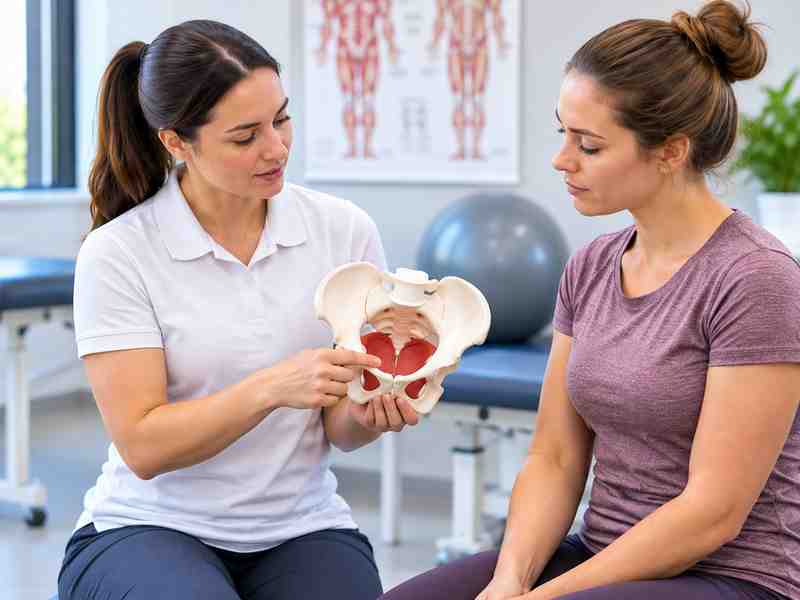
The pelvic floor consists of muscles and connective tissues that support the bladder, bowel, and other pelvic organs. When these muscles are weak, overly tight, poorly coordinated, or painful, everyday functions may become difficult.
Pelvic floor rehabilitation focuses on identifying the underlying problem and selecting appropriate treatment. If you are exploring physiotherapy options in Brooks, Alberta, this guide explains common pelvic floor concerns, assessment methods, rehabilitation approaches, and when to seek professional care.
You can also explore Mission Health Physiotherapy’s services in Brooks and contact the clinic to confirm whether specialised pelvic health physiotherapy is available for your needs.

Pelvic floor physiotherapy is a specialised area of physiotherapy that assesses and treats problems involving the pelvic floor muscles and their coordination.
These muscles help support pelvic organs and contribute to bladder control, bowel function, and other aspects of pelvic health. Effective muscle function involves more than strength. The muscles must also relax when necessary and coordinate with breathing, movement, and everyday activities.
According to Alberta Health Services’ pelvic floor health information, pelvic floor conditions can include urinary or bowel incontinence, pelvic organ prolapse, and difficulties emptying the bladder.
Depending on the assessment findings, treatment may focus on strengthening, relaxation, coordination, movement habits, or symptom management.
Pelvic floor dysfunction can present differently from one person to another. Some people experience weakness, while others have excessive muscle tension or difficulty relaxing the muscles.
Common symptoms may include:
These symptoms do not always indicate a pelvic floor disorder. Other medical conditions can produce similar problems, so a proper assessment is important before starting a treatment programme.
Pelvic floor rehabilitation may be appropriate for people whose symptoms are related to pelvic muscle weakness, excessive tension, coordination difficulties, or certain pelvic health conditions.
Urinary leakage may occur during physical activity, coughing, sneezing, or sudden increases in abdominal pressure. Other people experience a strong, sudden urge to urinate that is difficult to control.
Treatment depends on the type of urinary symptoms and the underlying cause. Pelvic floor muscle training, bladder training, and behavioural strategies may be considered when appropriate.
For further information, read MyHealth Alberta’s guidance on urinary incontinence.
Pregnancy and childbirth can place additional demands on the pelvic floor muscles and surrounding tissues. Some people experience urinary leakage, pelvic discomfort, or reduced confidence when returning to exercise after delivery.
A suitable rehabilitation programme may address muscle function, breathing, movement, and gradual return to everyday activities.
However, postpartum symptoms should be assessed individually. The timing and type of exercise depend on the person’s recovery, symptoms, and medical advice.
Pelvic pain can sometimes be associated with muscles that remain excessively tense or have difficulty relaxing. In these cases, repeatedly strengthening the muscles without assessment may be inappropriate.
Depending on the cause, rehabilitation may focus on relaxation, breathing, movement awareness, and carefully selected therapeutic exercises.
Persistent or unexplained pelvic pain requires medical evaluation to identify possible underlying conditions.
A sensation of pelvic pressure or a vaginal bulge can sometimes be associated with pelvic organ prolapse. This occurs when one or more pelvic organs descend from their usual position.
Pelvic floor muscle training may help manage symptoms in selected cases, but treatment depends on the severity of the condition and individual needs.
Seek medical advice if you notice a new bulge, worsening pressure, difficulty passing urine, or significant bowel symptoms.
Pelvic Floor Physiotherapy in Brooks should involve an individualised approach rather than a generic exercise sheet. The treatment plan depends on the symptoms, medical history, examination findings, and the person’s goals.
An assessment may include questions about bladder and bowel habits, pain, daily activities, childbirth history where relevant, and factors that affect symptoms.
The physiotherapist may also assess breathing, posture, movement, and relevant muscle function.
A pelvic health assessment may include an internal examination when clinically indicated, within the practitioner’s competence and with informed consent. Patients should understand the proposed examination, why it is recommended, and what alternatives are available.
The College of Physiotherapists of Alberta’s Pelvic Health Guide outlines professional expectations concerning competence, communication, consent, and sensitive practice.
Some people benefit from pelvic floor muscle training designed to improve strength and coordination. Others may need to learn how to relax the muscles before strengthening is appropriate.
The programme may be adjusted according to muscle control, symptom response, and progress over time.
Breathing patterns and everyday movements can influence how pressure is managed through the abdomen and pelvis.
A rehabilitation programme may include breathing awareness, movement modification, and guidance on managing activities that trigger symptoms.
For some conditions, treatment may include education about bladder habits, bowel routines, fluid intake, and avoiding unnecessary straining.
These strategies should be tailored to the person’s symptoms rather than applied as universal rules.
The most suitable exercises depend on whether the pelvic floor muscles need strengthening, relaxation, improved coordination, or a combination of approaches.
When appropriate, pelvic floor muscle training involves contracting and fully relaxing the relevant muscles with controlled breathing. A qualified clinician can help confirm that the muscles are being activated correctly.
People with excessive pelvic floor tension may benefit from relaxation strategies and coordinated breathing rather than repeated strong contractions.
When appropriate, rehabilitation may include practising muscle coordination during activities such as standing, lifting, walking, or returning to exercise.
Important: Do not assume that Kegel exercises are suitable for every pelvic floor problem. They may be inappropriate or aggravate symptoms when the muscles are already overly tense or painful. Avoid repeatedly stopping the flow of urine to practise pelvic floor contractions.
For more detail, review Alberta Health Services’ pelvic floor health resources.
Your first appointment will generally focus on understanding your symptoms and identifying the next appropriate step.
Depending on the provider’s scope of practice and the service available, the appointment may involve:
You should be able to ask questions and discuss any concerns about an examination or treatment. You can also ask whether a referral to another healthcare professional is appropriate.
Because pelvic health services require specific training, confirm that the clinic offers the type of assessment and treatment you need before booking.
Recovery varies according to the underlying condition, symptom severity, and the treatment approach.
Some people may notice improvements within several weeks, while others require a longer programme. Muscle training often needs consistent practice over time, and progress should be reviewed rather than assumed.
Persistent symptoms, increasing pain, or a lack of improvement may indicate that the treatment plan needs adjustment or that further medical assessment is necessary.
There is no single recovery timeline that applies to everyone.
Consult a healthcare professional if you experience persistent urinary leakage, ongoing pelvic pain, difficulty emptying your bladder, recurrent bowel difficulties, or a feeling of pelvic pressure.
Seek urgent medical care if you develop sudden inability to urinate, severe or rapidly worsening pelvic or abdominal pain, significant bleeding, or new loss of bladder or bowel control accompanied by numbness around the groin or saddle area, leg weakness, or severe back pain.
These symptoms may indicate a condition that requires prompt assessment rather than routine physiotherapy.
Choosing the right provider involves more than finding a clinic nearby. Pelvic floor conditions can require specialised assessment and training, so it is important to confirm that the practitioner is qualified and that the service matches your symptoms.
Mission Health Physiotherapy provides physiotherapy services in Brooks, Alberta. Contact the clinic to ask whether pelvic health physiotherapy is currently available, which conditions can be assessed, and whether a referral or specialised appointment is required.
You can visit Mission Health Physiotherapy or review its Brooks physiotherapy services for contact and service information.
Depending on the practitioner’s training and scope, pelvic floor physiotherapy may help manage selected problems involving urinary or bowel leakage, pelvic pain, muscle coordination, and pelvic floor weakness or tension.
No. Some people need strengthening, while others need relaxation and coordination training. An appropriate assessment helps determine which exercises are suitable.
Pelvic floor muscle training and other conservative strategies may help certain types of urinary leakage. The appropriate treatment depends on the cause and the individual’s symptoms.
Yes. Pregnancy and childbirth can affect pelvic floor muscle function. Persistent leakage, pain, or pelvic pressure should be discussed with a qualified healthcare professional.
No. An internal examination is not automatically required for every appointment. If it is proposed, the practitioner should explain its purpose, obtain informed consent, and discuss appropriate alternatives.
The timeline varies. Some people improve within weeks, while others need several months of consistent, individualised treatment.
Contact Mission Health Physiotherapy in Brooks to confirm whether specialised pelvic health assessment and treatment are currently available.
Pelvic floor symptoms can affect bladder and bowel control, comfort, exercise, and everyday confidence. Effective management begins with understanding the cause of the symptoms and selecting a suitable treatment approach.
Pelvic Floor Physiotherapy in Brooks may be worth exploring if you experience pelvic floor-related concerns. However, the right treatment depends on individual assessment, and not every condition should be managed with strengthening exercises alone.
If you are experiencing persistent symptoms, consult an appropriate healthcare professional and confirm that your chosen physiotherapy provider has the training and services required for your needs.