
Learn how Dry Needling in Brooks may help with muscle tension, trigger points and pain, and how it can complement physiotherapy and exercise.
Persistent muscle tension can be surprisingly difficult to deal with. A tight neck after long hours at a desk, stubborn shoulder tension after training, or a painful muscle knot that keeps returning can interfere with work, exercise, sleep, and everyday movement.
Stretching may provide temporary relief. Rest can help. Massage may feel useful. But sometimes the problem continues despite your best efforts.
That is where Dry Needling in Brooks may be considered as part of a broader physiotherapy treatment plan.
Dry needling is a specialized technique that uses a fine, sterile filament needle to target specific areas of muscle and soft tissue. Mission Health Physiotherapy & Sports Rehab in Brooks offers dry needling as part of its approach to managing muscle pain, tension, and movement limitations.
The treatment is often discussed in relation to trigger points and myofascial pain. However, it is important to understand what dry needling can realistically do. It is not a universal cure for pain, and it should not replace proper assessment, exercise, rehabilitation, or medical care when those are needed.
This guide explains what dry needling is, how it works, who may benefit, what treatment feels like, potential side effects, and how it can fit into a personalized physiotherapy program.
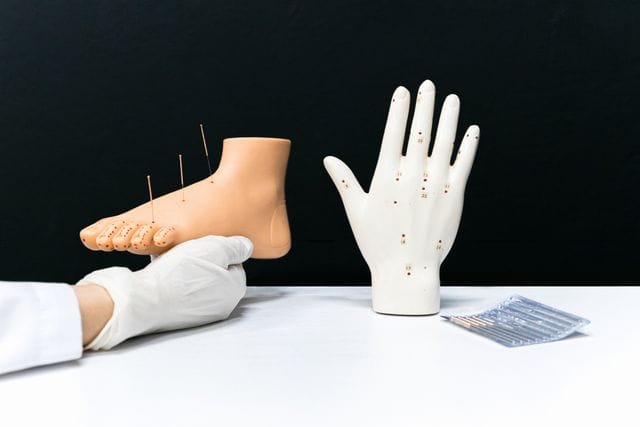
Dry Needling in Brooks is a physiotherapy technique that uses a thin, sterile needle inserted into selected tissues, commonly muscles and areas associated with myofascial pain.
Unlike an injection, no medication is delivered through the needle. That is why it is called “dry” needling.
Mission Health describes dry needling as a technique in which a fine filament needle is inserted into specific trigger points within a muscle. The clinic explains that the technique may be used to help reduce pain and tension, support movement, and promote muscle relaxation.
The exact technique used depends on the therapist, the condition being treated, and the individual’s assessment.
Dry needling is generally used as one part of treatment rather than as a standalone solution.
For example, someone with persistent shoulder pain may benefit from a combination of:
The appropriate combination depends on the individual.
The precise mechanisms behind dry needling are complex and continue to be studied.
Clinically, needles may be inserted into specific areas of muscle or other tissues to produce a local mechanical stimulus. Depending on the technique, the needle may stimulate a painful or sensitive area and produce a local twitch response.
This can potentially influence pain sensitivity and muscle function.
Research suggests that dry needling performed by physical therapists may reduce musculoskeletal pain, particularly over short- to medium-term follow-up periods, although the quality and consistency of evidence vary between conditions. A systematic review and meta-analysis published in Physical Therapy found evidence of pain reduction across several follow-up periods but also noted heterogeneity in the evidence.
That distinction matters.
A treatment can have evidence supporting certain outcomes without being equally effective for every condition.
Trigger points are commonly described as localized areas within muscle that are sensitive to pressure and may reproduce familiar pain.
They are frequently discussed in relation to myofascial pain.
Dry needling is often associated with treating these areas.
However, the scientific literature also points out that identifying and diagnosing trigger points is not as straightforward as it is sometimes presented. A review of dry needling literature noted limitations in the reliability and validity of manual trigger-point identification.
For patients, the practical takeaway is simple: a physiotherapist should assess the entire problem rather than assuming that every painful “knot” requires a needle.
No.
Although both techniques use fine needles, they come from different clinical frameworks.
Acupuncture is rooted in traditional Chinese medicine and traditionally uses concepts such as meridians and energy flow.
Dry needling is generally based on contemporary anatomical, physiological, and musculoskeletal concepts. Mission Health describes its dry needling service as focusing on the anatomy and physiology of the musculoskeletal system rather than traditional Chinese medicine concepts.
The two techniques may look similar to a patient because both involve needles, but their clinical rationale and treatment approach are different.
Dry Needling in Brooks may be considered for people experiencing certain types of musculoskeletal pain and muscle tension.
It may be discussed as part of treatment for concerns such as:
Mission Health specifically promotes dry needling for stubborn muscle knots, chronic pain, and limited movement.
However, the presence of pain does not automatically mean dry needling is appropriate.
The first step should be determining what is causing the symptoms.
Neck tension is common among people who spend long periods working at a desk, driving, using computers, or performing repetitive tasks.
The upper trapezius and other muscles around the neck and shoulders can become uncomfortable or sensitive.
Research has found that dry needling may provide short-term improvements in pain for some people with neck pain associated with myofascial trigger points. An updated systematic review and meta-analysis found reductions in pain intensity and some short-term improvements in pain-related disability, while finding no clear effect on cervical range of motion compared with other interventions.
This does not mean dry needling is the best treatment for every neck problem.
Neck pain can have many causes, and treatment should be based on an individual assessment.
If you have persistent neck pain, you can explore Mission Health’s physiotherapy services in Brooks to understand how a broader rehabilitation approach may help.
Shoulder pain can develop for many reasons.
Muscle overload, repetitive activity, sports, posture, injury, and changes in training can all contribute to shoulder symptoms.
Dry needling may be considered when muscular pain or trigger-point-related symptoms are part of the problem.
However, evidence for shoulder-related dry needling is mixed. A systematic review of trigger-point dry needling for shoulder and upper-extremity pain found some short-term effects but rated the evidence as very low quality.
That is why dry needling should not be marketed as a guaranteed solution for shoulder pain.
A proper assessment is more important than choosing a treatment based on a symptom alone.
Lower-back discomfort is extremely common, but it has many possible causes.
Some cases may involve muscular tension, while others may involve joints, discs, nerves, movement patterns, workload, or multiple contributing factors.
Dry needling may be considered when muscular or myofascial factors are relevant.
However, it should be part of an overall treatment strategy.
That may include:
The objective should be improved function, not simply temporary relief after a needle treatment.
Athletes often deal with muscle tightness, overuse, and recurring areas of discomfort.
A runner may develop calf tension. A hockey player may experience tightness around the hip or shoulder. A gym-goer may develop persistent upper-back or neck tension.
In these situations, Dry Needling in Brooks may be considered as one component of sports rehabilitation.
However, athletes should be particularly careful about using treatment to simply push through pain.
If you have an actual sports injury, the underlying problem should be assessed.
Mission Health also offers Sports Injury Rehab in Brooks for athletes and active individuals who need structured rehabilitation.
Dry needling may complement rehabilitation when clinically appropriate, but it should not replace progressive strengthening, conditioning, and sport-specific preparation.
A dry needling session should begin with an assessment.
Your physiotherapist may ask about:
The therapist may then examine movement, muscle function, strength, mobility, and the affected area.
If dry needling is considered appropriate, the therapist will explain the technique and identify the treatment area.
Mission Health states that its dry needling therapists develop individualized treatment plans based on each person’s needs and goals.
This assessment-first approach is important.
The needle should not be the starting point.
The patient is.
The experience varies from person to person.
You may feel a brief prick when the needle passes through the skin. Once inserted, some people experience pressure, aching, or a brief twitching sensation depending on the technique.
The sensation is usually different from receiving an injection because no medication is being injected.
Mission Health reports that most people experience minimal discomfort, often described as brief pressure or an ache.
If you are nervous about needles, tell your therapist before treatment.
Your therapist can explain what to expect and discuss whether dry needling is appropriate for you.
Dry needling can cause some discomfort.
That does not mean the treatment should be unnecessarily painful.
The experience can depend on the treatment area, the technique used, individual sensitivity, and the condition being treated.
Good communication is important.
If the sensation becomes too uncomfortable, tell your therapist.
The goal is to provide an appropriate clinical stimulus, not to win a competition for who can tolerate the most needle-related discomfort.
Minor temporary effects can occur.
Mission Health lists possible short-term effects such as soreness and minor bruising around the needle sites.
Research on dry needling also reports adverse effects such as bruising, bleeding, and temporary pain in some studies.
Most reported effects in clinical studies are minor, but dry needling is still an invasive technique because it involves penetrating the skin.
That means proper hygiene, appropriate training, clinical screening, and technique matter.
If you experience an unusual or concerning reaction after treatment, contact your healthcare professional.
There is no universal number of sessions.
Your treatment schedule can depend on:
Mission Health states that the number of sessions varies according to the individual’s condition and response to treatment.
This is another reason to avoid promises such as “three sessions and you’re fixed.”
Some people respond quickly.
Others need a broader rehabilitation program.
Some people report changes in pain or movement shortly after treatment.
Research supports the possibility of short-term pain reduction in certain musculoskeletal conditions. A systematic review and meta-analysis found evidence of pain reduction following dry needling performed by physical therapists, particularly in the immediate and short-term periods.
But immediate improvement does not necessarily mean the underlying problem has been resolved.
If weakness, poor movement control, training errors, or other contributing factors remain, symptoms may return.
That is why dry needling works best when integrated into an appropriate treatment plan.
Suppose your neck muscles feel tight.
Dry needling may temporarily reduce discomfort.
But if the underlying issue involves poor strength, prolonged static posture, insufficient movement, or inadequate conditioning, the same problem may return.
Exercise can address physical capacity.
Depending on your condition, your physiotherapist may prescribe exercises to improve:
This combination is one reason dry needling should generally be viewed as a tool within physiotherapy rather than a complete rehabilitation program.
Massage therapy and dry needling both involve working with soft tissues, but the techniques are very different.
Massage uses hands and other manual techniques to manipulate soft tissues.
Dry needling uses fine needles to target specific tissues.
Mission Health offers both Massage Therapy in Brooks and dry needling, allowing treatment to be selected according to individual needs.
Massage may be more suitable for someone looking primarily for relaxation or general muscle tension management.
Dry needling may be considered when specific musculoskeletal symptoms make the technique clinically appropriate.
Neither is automatically better.
Shockwave therapy and dry needling are also very different treatment modalities.
Shockwave therapy uses acoustic energy delivered through a specialized device.
Dry needling uses a fine needle inserted into selected tissues.
Mission Health offers both Shockwave Therapy in Brooks and dry needling as part of its broader physiotherapy services.
The choice between them should depend on the diagnosis and clinical assessment.
For example, shockwave therapy may be considered for selected persistent tendon or musculoskeletal conditions, while dry needling may be considered when muscular or myofascial factors are relevant.
Using every treatment available simply because it exists is not a treatment plan.
No.
Dry needling is a technique used within physiotherapy and should not be treated as a substitute for assessment and rehabilitation.
A physiotherapy program may include:
Dry needling may be added when appropriate.
The goal should be to improve your function and address relevant contributing factors, not simply provide repeated passive treatments.
There is research supporting dry needling for some musculoskeletal pain conditions, particularly for short-term pain outcomes.
A 2021 systematic review and meta-analysis found evidence that dry needling performed by physical therapists can reduce pain over several follow-up periods, although the authors noted variability in the evidence.
Other reviews have found short-term improvements in pain and range of motion for some trigger-point-related conditions while emphasizing limitations in the evidence.
The sensible conclusion is neither “dry needling works for everything” nor “dry needling does nothing.”
The evidence is condition-specific.
That is why treatment should be based on assessment and realistic expectations.
Not everyone is automatically suitable for dry needling.
Before treatment, tell your physiotherapist about relevant:
Your therapist can determine whether dry needling is appropriate or whether another treatment approach would be safer.
Never hide relevant medical information simply because you want to try a particular treatment.
The assessment exists for a reason.
After treatment, you may experience temporary soreness around the treated area.
Mission Health notes that minor soreness and bruising can occur and generally resolve relatively quickly.
Your therapist may provide specific advice depending on the area treated and your rehabilitation plan.
You may also receive exercises to continue at home.
Follow the instructions provided by your physiotherapist rather than assuming that more exercise or more rest is automatically better.
You may want to discuss Dry Needling in Brooks with a qualified physiotherapist if you experience:
However, an assessment should come first.
If your symptoms are caused by something other than muscular or myofascial factors, dry needling may not be the appropriate treatment.
A broader physiotherapy assessment may be particularly useful if:
Mission Health’s Physiotherapy in Brooks service provides individualized assessment and treatment for a wide range of musculoskeletal and movement-related problems.
Dry needling can then be considered as one possible component of that broader plan.
Mission Health Physiotherapy & Sports Rehab offers Dry Needling in Brooks as part of its broader physiotherapy services.
The clinic states that its dry needling therapists are trained physiotherapists with additional certification in the technique and that treatment is integrated into personalized care plans.
The clinic also provides physiotherapy, sports injury rehabilitation, massage therapy, shockwave therapy, and other services.
That matters because many persistent pain problems require more than one intervention.
For example, a person with recurring shoulder pain may need assessment, strengthening, movement retraining, activity modification, and potentially dry needling.
Someone with sports-related muscle tension may need a combination of treatment and progressive conditioning.
The treatment should be built around your goals rather than around one particular modality.
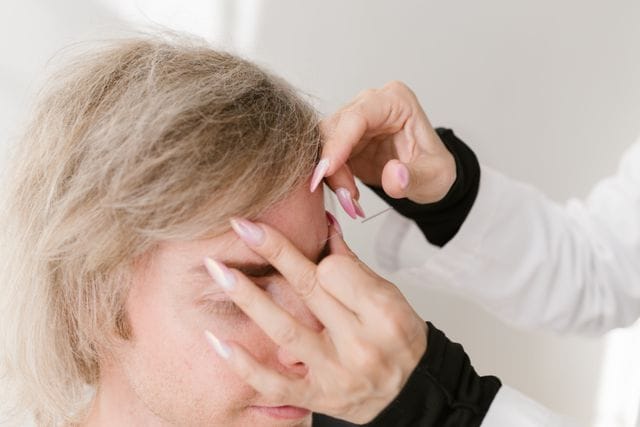
Dry needling is a physiotherapy technique that uses a fine, sterile needle to target specific tissues, commonly areas of muscle associated with pain or tension.
No. Although both use fine needles, dry needling is generally based on musculoskeletal anatomy and physiology, while acupuncture is rooted in traditional Chinese medicine.
Some people experience a brief prick, pressure, aching, or twitching sensation. The amount of discomfort varies depending on the treatment area and individual.
There is no standard number. The appropriate number depends on your condition, symptoms, response to treatment, and overall rehabilitation plan.
It may be considered for certain myofascial pain and muscle-tension problems. Mission Health specifically offers dry needling for concerns including stubborn muscle knots and chronic pain.
Research suggests dry needling may provide short-term pain relief for some people with neck pain associated with myofascial trigger points. However, treatment should be based on an individual assessment.
Yes. Dry needling may be considered for selected sports-related muscular problems, but it should complement rather than replace appropriate rehabilitation and conditioning.
Your physiotherapist can provide activity recommendations based on your condition and treatment. Do not assume that immediately returning to high-intensity exercise is appropriate.
Temporary soreness and minor bruising can occur. Other adverse effects such as temporary bleeding or pain have also been reported in research.
Not necessarily. Dry needling may help reduce symptoms, but lasting improvement often requires addressing contributing factors through exercise, movement changes, rehabilitation, and appropriate activity management.
No. They are different techniques. The appropriate choice depends on your goals and clinical needs.
No. Dry needling is a technique that may be incorporated into physiotherapy. It does not replace assessment, exercise, rehabilitation, or education when those are required.
Persistent muscle tension and musculoskeletal pain can affect much more than comfort.
They can change how you work, exercise, sleep, and move.
Dry Needling in Brooks may be a useful treatment option for selected people with muscular or myofascial pain, particularly when it is incorporated into a broader physiotherapy program.
The important part is having realistic expectations.
Dry needling is not a magic fix, and evidence varies depending on the condition being treated. Research supports potential short-term pain benefits for some musculoskeletal conditions, while longer-term outcomes and condition-specific effectiveness require more careful interpretation.
A good treatment plan should therefore look beyond the needle.
Assessment, exercise, strength, mobility, movement, activity management, and patient education may all play important roles in recovery.
If persistent muscle tension, pain, or restricted movement is affecting your daily life, speak with a qualified physiotherapist to determine whether dry needling is appropriate for you.
Mission Health Physiotherapy & Sports Rehab
740 Alberta Street W
Brooks, AB T1R 1A9, Canada
Phone: +1 403-794-0111
Website: missionhealthphysio.ca
Visit the Dry Needling in Brooks service page to learn more about the treatment and contact Mission Health for an assessment.