
Discover how custom orthotics in Brooks may help with foot pain, heel discomfort, walking and sports-related concerns.
Foot pain can affect far more than your feet.
When every step is uncomfortable, it can change how you walk, exercise, work, and perform everyday activities. Persistent foot pain may also affect other parts of the body by changing movement patterns and how weight is distributed during walking or running.
For some people, Custom Orthotics in Brooks may be recommended as part of a broader treatment plan for foot-related pain, movement concerns, or biomechanical issues.
Custom orthotics are specially designed devices worn inside footwear to support and accommodate the feet. Unlike generic insoles, they are developed based on an individual’s assessment and specific needs.
At Mission Health Physiotherapy & Sports Rehab, custom orthotics may be considered alongside physiotherapy and other treatments to help address foot function, comfort, and movement-related concerns.
This guide explains what custom orthotics are, how they work, who may benefit, how they differ from store-bought insoles, and what to expect during an orthotics assessment.

Custom Orthotics in Brooks are devices designed to fit inside your shoes and provide support, cushioning, or correction based on your individual foot structure and functional needs.
They may be designed using information from an assessment of factors such as:
The purpose of custom orthotics is not simply to make a shoe feel softer.
Depending on the design, orthotics may help support the foot, improve comfort, redistribute pressure, or accommodate specific structural or functional concerns.
The right orthotic depends on the individual. Two people with heel pain may require completely different approaches.
That is why an assessment matters.
Your feet absorb and transfer force every time you stand, walk, run, or jump.
During movement, the feet interact with the ankles, knees, hips, and the rest of the lower body.
Custom orthotics may be designed to influence how forces are distributed through the foot and lower extremity.
Depending on the individual’s needs, an orthotic may aim to:
However, custom orthotics are not magic shoe inserts.
They do not automatically fix every problem involving the foot, knee, or hip. Their effectiveness depends on the diagnosis, design, footwear, activity, and the person using them.
The sensible approach is to treat orthotics as one possible tool within a broader care plan.
One of the most common questions people ask is whether custom orthotics are actually different from over-the-counter insoles.
The short answer is yes.
Over-the-counter insoles are manufactured for a general population.
They may provide:
They can be useful for many people.
However, they are not specifically designed around your individual foot structure or clinical needs.
Custom Orthotics in Brooks are developed following an individual assessment.
The design can take into account your:
A runner, construction worker, office worker, and older adult may all have very different orthotic requirements.
Buying the most expensive generic insole on the shelf does not automatically make it the right solution. Marketing departments have never been known for diagnosing gait problems.
Custom orthotics may be considered for people experiencing certain foot-related problems or functional concerns.
Potential reasons to discuss Custom Orthotics in Brooks with a healthcare professional include:
The first step should be determining the cause of your symptoms.
Foot pain can have many causes, including injuries, tendon problems, joint issues, footwear concerns, nerve conditions, and medical conditions.
An orthotic should not be prescribed simply because your foot hurts.
Foot pain can make even simple activities frustrating.
Standing at work, walking through a grocery store, exercising, or going for a short walk may become difficult.
Custom Orthotics in Brooks may be considered when foot pain is associated with factors that could benefit from improved support, pressure redistribution, or accommodation.
However, orthotics should not replace an accurate diagnosis.
For example, persistent foot pain may require:
The right treatment depends on what is actually causing the problem.
Plantar fasciitis is a common cause of heel pain.
People often experience discomfort around the bottom of the heel, particularly during the first steps after getting out of bed or after sitting for an extended period.
Management can include a combination of approaches depending on the individual.
These may include:
The National Health Service notes that insoles or heel pads may be considered as part of managing plantar fasciitis. NHS plantar fasciitis guidance
For some people, Custom Orthotics in Brooks may be considered as part of an overall management strategy.
At Mission Health, orthotic care may also be combined with other services depending on the individual’s condition.
You can also explore the clinic’s Shockwave Therapy services if persistent musculoskeletal or tendon-related pain requires a broader assessment.
Heel pain can develop for several different reasons.
Common contributing factors may include:
The correct treatment depends on the diagnosis.
Custom orthotics may help provide support or modify pressure distribution when appropriate.
However, persistent heel pain should be assessed rather than treated through trial and error.
If your heel pain is getting worse or significantly affecting your ability to walk, seek professional advice.
Running places repeated forces on the feet and lower limbs.
Sports involving jumping, rapid changes of direction, and repetitive impact can also create significant demands.
For athletes and active individuals, Custom Orthotics in Brooks may be considered when an assessment identifies a potential benefit from improved support or pressure distribution.
However, orthotics should not be used as a shortcut around proper training.
A complete sports rehabilitation plan may also address:
Mission Health also provides Sports Injury Rehabilitation in Brooks for people recovering from injuries and working toward a safe return to activity.
Sometimes, people are told that foot problems are responsible for all their knee or hip pain.
That is too simplistic.
The lower body works as a connected system, and the way your feet interact with the ground can influence movement patterns.
However, knee and hip pain can have many causes.
An orthotic may be considered when an assessment identifies relevant biomechanical or functional factors.
But it should not be assumed that every knee or hip problem starts with the feet.
A physiotherapy assessment can help determine whether the foot and lower limb mechanics are relevant to your symptoms.
Mission Health’s Physiotherapy in Brooks can provide a broader assessment of movement and musculoskeletal concerns.
An assessment should examine more than your shoe size.
Depending on the provider and your needs, an assessment may consider:
The goal is to understand what you need from an orthotic.
For example, an individual who stands for long periods at work may have different requirements from a runner training for a race.
The orthotic should be designed around the person and the problem being addressed.
The process varies depending on the assessment and orthotic provider.
Generally, measurements or impressions of the feet may be taken to help create an orthotic designed for the individual’s requirements.
The final design may vary in:
The type of shoe you plan to wear is also important.
An orthotic designed for a large athletic shoe may not fit properly into a narrow dress shoe.
Practical details matter.
A perfectly designed orthotic that never fits into the shoes you actually wear is not particularly useful.
Some people adapt to new orthotics quickly.
Others may need time.
Your healthcare provider may recommend gradually increasing the amount of time you wear your orthotics.
This can allow your body to adjust to changes in support and pressure distribution.
If your orthotics cause persistent discomfort, do not assume that you simply need to suffer through it.
Contact your provider for advice.
An orthotic may need to be adjusted.
The lifespan of custom orthotics depends on several factors.
These include:
Someone who wears orthotics occasionally may have different replacement needs from someone who runs regularly or stands on hard surfaces every day.
Periodic assessment can help determine whether your orthotics are still functioning as intended.
Custom orthotics can be one component of a larger treatment plan.
Mission Health provides physiotherapy services that can address movement, strength, mobility, injury recovery, and musculoskeletal conditions.
Depending on your needs, a treatment plan may include:
The goal should be to improve your ability to function.
Orthotics may help support that process, but they are not always the only solution.
Foot support alone does not automatically improve strength or physical capacity.
Depending on your condition, your physiotherapist may recommend exercises to improve:
For active people, rehabilitation may also involve gradually increasing tolerance to walking, running, or sport.
Orthotics can potentially complement this process when appropriate.
They should not become an excuse to avoid addressing weakness or poor conditioning.
No orthotic can guarantee injury prevention.
Injuries can result from many factors, including:
Custom orthotics may be helpful for selected people when clinically indicated.
But they should not be sold as an insurance policy against every future injury.
A sensible prevention strategy also includes appropriate training progression, strength, recovery, and attention to symptoms.
You may want to discuss Custom Orthotics in Brooks if you have:
The important part is receiving an appropriate assessment.
Do not self-diagnose your foot mechanics based on a social media video and order the first “corrective” insole you see. The internet has enough amateur biomechanics already.
Some symptoms may require medical assessment.
Seek professional advice if you experience:
Custom orthotics are not a substitute for appropriate medical care when a serious injury or condition is suspected.
Generic arch supports can be useful.
For some people, they may provide enough comfort without requiring custom devices.
Custom orthotics may be considered when:
More expensive does not always mean better.
The right option depends on the person and the problem.
Mission Health Physiotherapy & Sports Rehab provides a range of services designed to support people dealing with pain, injuries, and movement-related concerns.
The clinic can consider the broader picture rather than treating every foot problem as an orthotics problem.
Depending on your assessment, your treatment plan may include physiotherapy, exercise, rehabilitation, or other appropriate interventions.
Mission Health also provides services including:
This allows treatment to be based on the individual’s actual needs rather than forcing every patient into one solution.
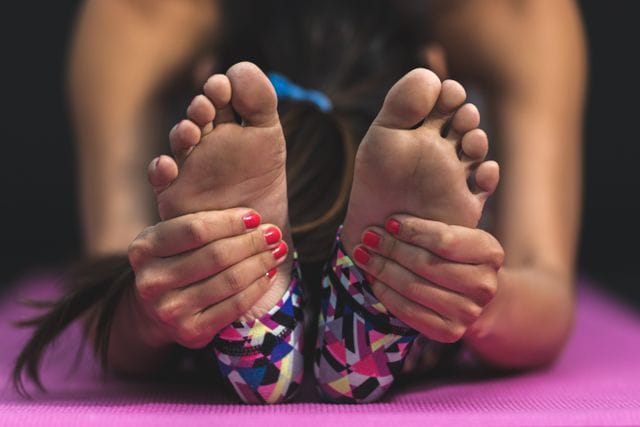
Custom orthotics are devices designed to fit inside footwear and provide individualized support, cushioning, accommodation, or pressure redistribution based on an assessment of your feet and needs.
Not always. Generic insoles can be useful for some people. Custom orthotics may be beneficial when an individual assessment identifies a need for a more personalized design.
Orthotics may be considered as part of a broader treatment plan for plantar fasciitis. Other interventions such as exercise, activity modification, and physiotherapy may also be important.
They may help in selected cases depending on the cause of the heel pain. Persistent heel pain should be properly assessed.
Yes. Athletes and active individuals may use custom orthotics when clinically appropriate. They may be incorporated into a broader rehabilitation or performance plan.
The lifespan depends on the material, frequency of use, activity level, and wear. Regular assessment can help determine when replacement or adjustment is necessary.
Not necessarily. The size and design of the shoe can affect whether an orthotic fits comfortably.
No orthotic can guarantee injury prevention. They may be helpful for selected individuals but should be part of a broader strategy where appropriate.
Not always. However, if pain, weakness, movement problems, or an injury are involved, physiotherapy may be recommended as part of your treatment plan.
The best way is to receive an individual assessment from a qualified healthcare professional.
Foot pain can affect almost every part of daily life.
When walking, standing, exercising, or working becomes uncomfortable, finding the underlying cause is more important than simply buying another pair of insoles.
Custom Orthotics in Brooks may be a useful option for people who need individualized foot support, pressure redistribution, cushioning, or accommodation.
However, orthotics should be part of a thoughtful treatment strategy.
A proper assessment can help determine whether custom orthotics are appropriate and whether other interventions such as physiotherapy, exercise, rehabilitation, or activity modification should also be included.
If persistent foot or heel pain is affecting your daily life, consider speaking with a qualified healthcare professional about your symptoms and available treatment options.
Mission Health Physiotherapy & Sports Rehab
740 Alberta Street W
Brooks, AB T1R 1A9, Canada
Phone: +1 403-794-0111