Concussion Physiotherapy in Brooks: learn about concussion symptoms, rehabilitation, balance exercises and safe return-to-activity guidance.
Concussion Physiotherapy in Brooks may help people manage selected symptoms following a concussion, including balance difficulties, dizziness, reduced tolerance for physical activity, and movement-related discomfort. If you have experienced a sports injury, fall, or blow to the head, appropriate medical assessment should come first, followed by a recovery plan tailored to your symptoms.
A concussion is a type of mild traumatic brain injury that can affect how the brain functions. Although many people recover within days or weeks, some experience symptoms for longer. The right rehabilitation approach depends on the injury, the symptoms present, and the recommendations of the treating healthcare professional.
At Mission Health Physiotherapy, you can explore physiotherapy services and rehabilitation options. This guide explains concussion symptoms, physiotherapy approaches, recovery expectations, and when to seek medical attention in Brooks, Alberta.
A concussion occurs when an impact to the head or body causes the brain to move rapidly inside the skull, temporarily affecting normal brain function. It can happen during sports, motor vehicle collisions, falls, workplace incidents, or other accidents.
Importantly, a concussion does not always involve loss of consciousness. Symptoms may also develop gradually rather than appearing immediately after an injury.
According to the US Centers for Disease Control and Prevention (CDC), concussion symptoms can change during recovery, and medical guidance is important when symptoms persist or worsen.
Concussion symptoms vary between individuals. Some people primarily experience headaches, while others notice dizziness, fatigue, concentration difficulties, or sensitivity to light and noise.
Common symptoms include:
These symptoms can affect work, school, exercise, driving, and everyday activities.
However, similar symptoms may occur with other medical conditions. Therefore, do not attempt to diagnose a concussion or determine its severity yourself.
Anyone with a suspected concussion should receive an appropriate medical assessment. Physiotherapy is not a substitute for diagnosing a head injury or ruling out more serious complications.
Seek emergency medical care immediately if a head injury is followed by warning signs such as:
These symptoms may indicate a more serious brain injury. In Canada, call 911 for an emergency.
For additional guidance, review the CDC’s information on concussion recovery and warning signs.
After a healthcare professional has assessed the injury, some people may benefit from physiotherapy as part of their recovery plan.
Concussion Physiotherapy in Brooks may be considered when symptoms include:
The treatment approach depends on the symptoms and clinical findings. For example, someone with balance difficulties may require a different rehabilitation programme from someone whose primary limitation is neck pain.
If symptoms are worsening, new neurological symptoms develop, or recovery is not progressing as expected, further medical assessment is necessary.
Physiotherapy may support recovery when a trained clinician identifies impairments that can be addressed through appropriate rehabilitation. Treatment should be individualised rather than based on a standard exercise routine for everyone.
Some people experience dizziness, unsteadiness, or difficulty tolerating head movements following a concussion.
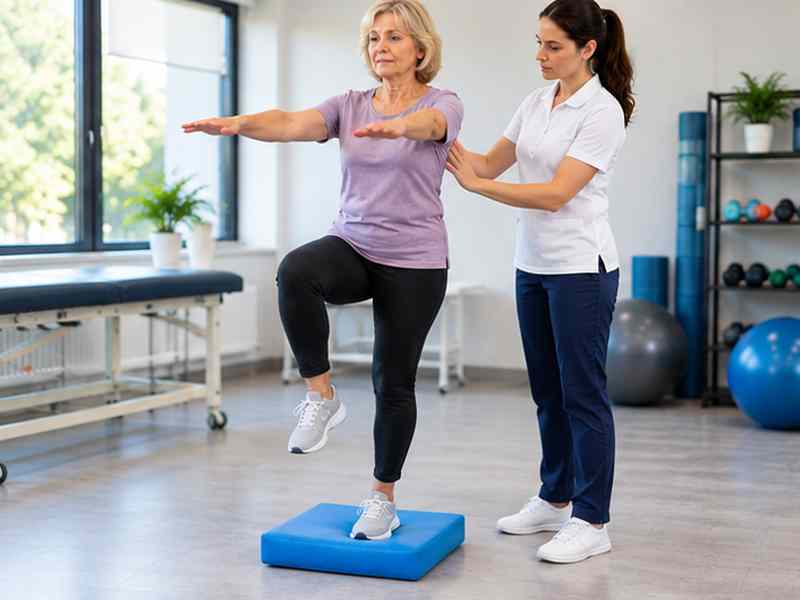
When clinically indicated, vestibular rehabilitation may involve carefully selected exercises targeting balance, gaze stability, or tolerance to movement.
The programme should reflect the person’s symptoms and ability. Exercises that trigger significant or prolonged symptom worsening should be reviewed and adjusted.
You can also read our related guide to vertigo physiotherapy in Brooks through the Mission Health blog section.
A concussion can occur alongside a neck injury, particularly after a fall, collision, or sudden impact. Neck pain and restricted movement may contribute to headaches or difficulty with everyday activities.
When appropriate, physiotherapy may include assessment of neck movement, posture, and related functional limitations. Treatment may involve gentle mobility exercises, progressive strengthening, and advice on activity modification.
However, neck symptoms after a head injury should be assessed carefully. Significant neck pain, midline tenderness, or neurological symptoms require medical evaluation before exercises or manual treatment are attempted.
Prolonged complete inactivity is not generally recommended throughout concussion recovery. After the initial period and appropriate medical guidance, many people can gradually resume light activities as tolerated.
A rehabilitation plan may begin with short walks or other low-intensity activities before progressing according to symptoms and clinical recommendations.
If symptoms noticeably worsen during activity, the intensity may need to be reduced. Progress should be gradual rather than driven by a fixed deadline.
Concussion symptoms may interfere with daily tasks such as walking in busy environments, using screens, completing work, or participating in exercise.
Depending on the assessment, rehabilitation may focus on gradually improving tolerance for relevant activities and helping the person return to a normal routine safely.
For more information about the clinic’s services, visit Mission Health Physiotherapy in Brooks.
There is no single exercise programme suitable for every concussion. The appropriate exercises depend on symptom severity, the stage of recovery, medical advice, and the findings of the rehabilitation assessment.
A healthcare professional may recommend:
Gentle walking: Short walks may be appropriate during recovery when medically suitable and tolerated without significant symptom worsening.
Balance exercises: Selected exercises may help address balance impairments, provided they can be performed safely.
Gaze stabilisation exercises: These may be considered for certain vestibular symptoms under professional guidance.
Neck mobility exercises: Gentle movement may be appropriate when a neck-related impairment has been assessed and serious injury has been excluded.
Progressive aerobic activity: Activity levels may be increased gradually according to symptoms and clinical recommendations.
Do not begin challenging balance exercises alone if you are unsteady. Avoid contact sports and activities with a risk of another head injury until your healthcare professional clears you to return.
For more guidance, read the CDC’s recommendations for returning to sports after a concussion.
Recovery varies according to the severity of the injury, the symptoms experienced, previous concussion history, and other individual factors.
Many people recover within days or weeks. However, some continue to experience headaches, dizziness, fatigue, concentration difficulties, or exercise intolerance for longer.
The CDC advises people to consult their healthcare provider if symptoms do not resolve within two to three weeks or worsen after returning to regular activities. Persistent symptoms may require further assessment or referral to a specialist.
You can review the CDC’s guidance on what to do after a mild traumatic brain injury for additional information.
Following professional guidance and making sensible adjustments to daily activities may help you manage symptoms during recovery.
It is not necessary for everyone to remain in a dark room or avoid all activity for an extended period. Instead, recovery should involve appropriate rest followed by a gradual, symptom-guided return to normal activities.
Returning to sport too early can increase the risk of another concussion before recovery is complete. Athletes should not return to play on the same day as a suspected concussion.
The CDC’s six-step return-to-sports guidance describes a gradual progression from regular activities to light aerobic exercise, more demanding training, controlled practice, and competition.
Each step generally requires at least 24 hours. An athlete should advance only when the current stage is tolerated without new symptoms and the healthcare provider’s recommendations are followed. If symptoms return, the athlete should stop, contact their healthcare provider, and follow the appropriate recovery plan.
Medical clearance is essential before returning to contact sports or activities with a risk of head impact.
Concussion recovery can involve several challenges, from dizziness and balance problems to difficulty tolerating physical activity. Appropriate assessment helps determine which rehabilitation strategies may be useful and when further medical care is needed.
Mission Health Physiotherapy provides physiotherapy services in Brooks, Alberta. If you are recovering from a concussion, contact the clinic to ask about the availability of appropriate concussion-related rehabilitation and whether your symptoms are suitable for physiotherapy.
Depending on your needs, care may involve functional assessment, movement guidance, and a progressive rehabilitation plan when clinically indicated.
Explore physiotherapy services in Brooks or visit the Mission Health Physiotherapy website to learn more.

Physiotherapy may help address selected symptoms, including balance problems, dizziness, neck-related impairments, and reduced exercise tolerance. Treatment depends on medical assessment and individual rehabilitation needs.
Yes. A suspected concussion should first be assessed by an appropriate healthcare professional. Physiotherapy can be considered as part of the recovery plan when suitable.
Light physical activity may be appropriate after the initial period when medically suitable. Activity should be increased gradually according to symptoms and professional guidance. Avoid contact sports until you receive clearance.
Many people recover within days or weeks, but some experience symptoms for longer. Consult your healthcare provider if symptoms worsen or do not improve within two to three weeks.
Vestibular rehabilitation may help selected people with dizziness, balance problems, or movement-related symptoms. The exercises should be tailored to the assessment findings.
Seek emergency care for worsening severe headaches, repeated vomiting, seizures, increasing confusion, slurred speech, weakness, or difficulty waking up.
Visit Mission Health Physiotherapy’s Brooks service page to learn about available physiotherapy services and contact the clinic about your needs.
A concussion can affect balance, concentration, sleep, and the ability to return to normal activities. Appropriate medical assessment, gradual activity progression, and individualised rehabilitation may support recovery.
Concussion Physiotherapy in Brooks may be useful for selected symptoms when clinically appropriate. However, suspected concussion requires medical assessment first, and worsening symptoms or emergency warning signs must never be ignored.
If you are recovering from a head injury, speak with an appropriate healthcare professional about the safest next steps for your situation.