
Get ankle sprain physiotherapy in Brooks for pain relief, strength, balance, and rehabilitation at Mission Health Physiotherapy & Sports Rehab.
An ankle sprain can happen in seconds. A missed step, awkward landing, sudden change of direction, or unexpected twist can stretch or tear the ligaments that help stabilize the ankle. Although many ankle sprains improve with appropriate care, returning to normal activity too quickly can leave the ankle weak or unstable.
For people dealing with persistent ankle pain, swelling, stiffness, or repeated sprains, Ankle Sprain Physiotherapy in Brooks can provide a structured approach to rehabilitation. Physiotherapy can focus on restoring movement, rebuilding strength, improving balance, and gradually preparing the ankle for everyday activities, work, exercise, or sports.
At Mission Health Physiotherapy & Sports Rehab in Brooks, rehabilitation is based on an individualized assessment. Your physiotherapist can consider how the injury occurred, your current symptoms, movement, strength, activity level, and recovery goals before developing an appropriate treatment plan.
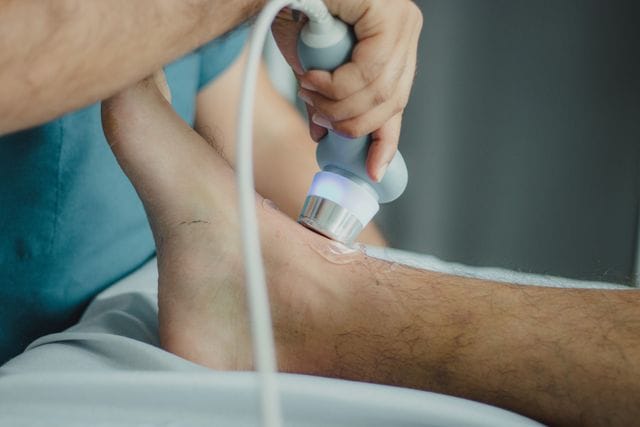
An ankle sprain occurs when one or more ligaments supporting the ankle are stretched or torn. This commonly happens when the foot rolls, twists, or turns unexpectedly.
An injury may occur while playing sports, running, walking on an uneven surface, stepping off a curb, or simply losing your balance.
Common symptoms include:
The severity of an ankle sprain can vary considerably. A mild injury may cause limited discomfort, while a more significant ligament injury can make walking difficult.
MyHealth Alberta notes that ankle sprains can range from relatively minor injuries to more significant problems and that rehabilitation involving stretching, strengthening, and balance exercises can help restore function and reduce the risk of ongoing problems.
Ankle sprains are particularly common during activities that require quick or unpredictable movements.
Some common causes include:
Basketball, soccer, volleyball, hockey, running, and other sports can place substantial demands on the ankle. Jumping, landing, cutting, and changing direction can all increase the chance of an awkward foot position.
Mission Health’s sports rehabilitation program specifically works with recreational and competitive athletes recovering from injuries and returning to physical activity.
Walking or running on uneven ground can cause the foot to roll unexpectedly. This can place excessive stress on the ankle ligaments.
A simple misstep on stairs, a curb, or an uneven surface can result in a sudden twist.
A previous sprain can sometimes leave residual weakness, reduced balance, or instability. Without appropriate rehabilitation, this may increase the likelihood of another injury.
Increasing running distance, exercise intensity, or sports participation too quickly can increase physical demands on the ankle.
Healthcare professionals may classify ankle sprains according to their severity.
A mild sprain generally involves stretching or minor damage to a ligament. Moderate injuries may involve a partial ligament tear, while severe sprains can involve substantial ligament damage and significant instability.
The exact classification should be determined through an appropriate assessment.
Your symptoms alone do not always tell the full story. For instance, significant swelling and difficulty bearing weight may indicate that further medical assessment is appropriate.
Not every ankle sprain requires ongoing physiotherapy. However, an assessment can be useful when symptoms are persistent, movement remains restricted, or you want to return to demanding physical activity.
Consider Ankle Sprain Physiotherapy in Brooks if:
MyHealth Alberta recommends seeking medical care when pain or swelling is getting worse, the ankle looks abnormal, or you cannot put weight on the foot. It also advises contacting a healthcare professional if you are not improving after about a week.
Effective rehabilitation is not simply about waiting until the pain disappears.
Instead, physiotherapy can address the physical limitations that may remain after the initial injury.
Your physiotherapist may evaluate:
This information helps determine which areas require attention.
After a sprain, the ankle can become stiff. Reduced movement may affect walking, squatting, running, or other activities.
Depending on your injury, rehabilitation may include controlled mobility exercises designed to gradually restore comfortable movement.
The specific exercises should be selected according to your injury and stage of recovery rather than copied from a generic program.
An injured ankle may become weaker because activity decreases during recovery.
Rehabilitation can progressively strengthen muscles around the ankle and lower leg. Exercises may involve controlled movements against resistance and gradually increasing physical demands.
As strength improves, exercises can become more challenging.
Balance is an important part of ankle rehabilitation.
After an ankle sprain, some people experience difficulty controlling the foot and ankle during single-leg activities. Balance exercises can help retrain the body’s ability to respond to changes in position and movement.
Depending on your recovery stage, exercises may include:
MyHealth Alberta includes balance and control exercises as part of ankle rehabilitation and notes that these exercises can help the foot and ankle respond more effectively during activity.
Simply being able to walk without significant pain does not necessarily mean the ankle is ready for sports.
A recreational athlete may need to progress from walking to jogging and then to more demanding movements. An athlete involved in cutting or jumping sports may eventually need agility, landing, acceleration, deceleration, and directional-change exercises.
Therefore, rehabilitation should reflect the activity you ultimately want to return to.
Athletes often want to return to their sport as quickly as possible after an ankle injury.
However, returning before strength, balance, and movement control have recovered may increase the risk of another problem.
A progressive sports rehabilitation program may include:
Mission Health’s Sports Injury Rehab program is designed for athletes and active individuals and includes progressive rehabilitation aimed at helping people return to their preferred activities.
Yes, rehabilitation may be particularly useful when ankle sprains keep happening.
Repeated sprains can sometimes be associated with ongoing weakness, reduced balance, limited mobility, or ankle instability.
Simply treating each new injury separately may not address the factors contributing to recurrence.
A physiotherapy assessment can look at:
From there, rehabilitation can focus on rebuilding capacity and improving control.
MyHealth Alberta notes that repeated or severe ankle sprains can contribute to long-term pain and weakness, which is one reason appropriate rehabilitation is important.
Recovery time varies according to the severity of the injury.
A mild sprain may improve considerably within a relatively short period, while more significant injuries can take considerably longer.
MyHealth Alberta states that ankle sprains can take several weeks to several months to heal, with more severe injuries generally requiring more recovery time.
Several factors can affect recovery, including:
Rather than focusing only on a specific number of days, it can be more useful to evaluate whether your ankle has regained the movement, strength, control, and tolerance required for your normal activities.
This depends on the severity of the injury.
Some mild sprains allow gradual weight-bearing as tolerated, while more serious injuries may require additional protection or medical assessment.
Do not force yourself to walk normally if doing so causes significant pain or if you have been instructed to limit weight-bearing.
As symptoms improve, a healthcare professional can help determine how activity should progress.
Initial care may involve protecting the ankle, managing swelling, and following appropriate medical guidance.
MyHealth Alberta recommends measures such as elevation, cold therapy, appropriate support, and following prescribed rehabilitation exercises during recovery.
As the acute symptoms settle, rehabilitation commonly progresses toward mobility, strengthening, and balance exercises.
However, exercises should be appropriate for your stage of recovery. An exercise that is useful later in rehabilitation may be inappropriate immediately after a significant injury.
Balance can be overlooked once pain begins to improve.
However, being able to walk comfortably is different from being able to control the ankle during running, jumping, or sudden changes in direction.
For example, a soccer player may need to plant one foot and rapidly change direction. A warehouse worker may need to walk across uneven surfaces while carrying equipment. A recreational runner may need to tolerate repeated single-leg loading.
Therefore, rehabilitation should eventually reflect the demands placed on the ankle in real life.
Your return-to-work requirements can influence the rehabilitation process.
Someone with a desk-based job may have relatively low physical demands, while someone who stands, walks, climbs, lifts, or works on uneven surfaces may require substantially more ankle capacity.
Your rehabilitation plan can therefore be adjusted around your occupational demands.
For physically demanding work, treatment may eventually include functional exercises that replicate movements required on the job.
This approach can help bridge the gap between the clinic and the workplace.
Although many ankle sprains can be managed conservatively, some injuries require prompt medical attention.
Seek medical care if:
An ankle injury can sometimes involve a fracture or another condition that requires medical assessment. Physiotherapy should not replace appropriate medical evaluation when serious injury is suspected.
Recovering from an ankle sprain involves more than reducing pain.
The longer-term objective is to restore the physical abilities you need for walking, working, exercising, or participating in sports.
Mission Health Physiotherapy & Sports Rehab in Brooks provides personalized physiotherapy and sports rehabilitation designed around individual needs and goals.
Treatment may include:
The clinic’s sports rehabilitation service also works with recreational and competitive athletes who want to return to their activities after an injury.

Not every ankle sprain requires physiotherapy. However, professional rehabilitation can be useful when symptoms persist, the ankle remains weak or unstable, or you need to return to demanding physical activity.
The appropriate timing depends on the severity of the injury. Some rehabilitation activities can begin relatively early, while more demanding exercises should wait until the ankle can tolerate them safely.
A rehabilitation program may help address factors such as weakness, poor balance, limited mobility, and reduced movement control that can contribute to recurrent problems.
Returning to sport while significant symptoms remain may not be appropriate. Your readiness should be based on factors such as pain, strength, balance, movement control, and the demands of your sport.
The duration depends on the severity of the injury and your goals. Someone recovering from a mild sprain may require less rehabilitation than an athlete recovering from a severe or recurrent injury.
Yes. Previous injuries can sometimes leave stiffness, weakness, balance deficits, or instability. An assessment can help identify whether these factors are contributing to your current symptoms.
Activity should generally be progressed gradually according to your symptoms and injury. A physiotherapist can help determine which exercises are appropriate at each stage of recovery.
Yes. Repeated episodes of instability are worth assessing. Rehabilitation can evaluate strength, balance, mobility, and movement control and help develop an appropriate recovery strategy.
An ankle sprain may seem like a minor injury, but incomplete rehabilitation can leave behind weakness, stiffness, or instability.
For people in Brooks dealing with ongoing symptoms or trying to return to work, exercise, or sports, Ankle Sprain Physiotherapy in Brooks can provide a structured path toward restoring movement and physical capacity.
Mission Health Physiotherapy & Sports Rehab provides individualized physiotherapy and sports rehabilitation based on your condition, activity level, and goals.
Mission Health Physiotherapy & Sports Rehab
740 Alberta Street W
Brooks, AB T1R 1A9
Phone: (403) 794-0111
If an ankle injury is affecting your daily activities or preventing you from returning to the activities you enjoy, consider booking an assessment with the Mission Health physiotherapy team.