
Carpal Tunnel Physiotherapy Brooks for wrist pain, hand numbness, tingling, exercise guidance and improved daily function. Copy Meta Description
Carpal Tunnel Syndrome Physiotherapy in Brooks can help people manage wrist discomfort, hand tingling, numbness, and weakness that interfere with everyday activities. If you experience symptoms while typing, driving, holding a phone, or sleeping, understanding the cause is an important first step towards appropriate treatment.
Carpal tunnel syndrome develops when the median nerve becomes compressed as it passes through a narrow space in the wrist. Although symptoms may begin gradually, they can become more disruptive if ignored. With an appropriate treatment plan, activity modifications, and professional guidance, many people can improve their symptoms and hand function.
At Mission Health Physiotherapy, treatment focuses on individual needs, movement, and functional recovery. This guide explains common symptoms, treatment options, exercises, and when to seek professional assessment in Brooks, Alberta.

Carpal tunnel syndrome occurs when pressure builds around the median nerve inside the wrist. This nerve provides sensation to the thumb, index finger, middle finger, and part of the ring finger. It also contributes to certain thumb movements.
Common symptoms include:
According to MyHealth Alberta’s guide to carpal tunnel syndrome, persistent symptoms can affect hand function and may lead to lasting nerve problems. Therefore, recurring numbness or weakness should not be ignored.
Several factors can contribute to pressure on the median nerve. In many cases, symptoms develop gradually rather than after one specific injury.
Common contributing factors include:
However, repetitive movement alone does not confirm the diagnosis. Other wrist, elbow, and neck conditions can produce similar symptoms, so an appropriate assessment is important.
Occasional discomfort after a demanding activity may settle with rest and activity modification. However, persistent or recurring symptoms deserve closer attention.
Consider arranging an assessment if you notice:
Early assessment can help identify the likely source of your symptoms and determine the appropriate next steps.
Important: Progressive numbness, noticeable thumb muscle weakness, frequent dropping of objects, or difficulty using your hand warrants prompt medical evaluation. Sudden loss of feeling or weakness in an arm requires emergency assessment.
Carpal Tunnel Syndrome Physiotherapy in Brooks may support symptom management and everyday hand function, particularly when symptoms are mild to moderate and conservative treatment is appropriate.
Treatment should be tailored to your symptoms, functional limitations, and clinical findings.
A physiotherapist may review your symptoms, work activities, wrist positioning, hand strength, and functional limitations. They may also assess movement in your elbow, shoulder, and neck to identify other possible contributors.
If your symptoms suggest significant nerve compression or another medical condition, referral to an appropriate healthcare professional may be necessary.
Small changes to your daily routine may help reduce unnecessary strain on your wrist.
For example, you can:
These changes can help you manage aggravating activities without unnecessarily avoiding all hand use.
A wrist splint that maintains a neutral wrist position, particularly at night, may help some people with mild symptoms. A healthcare professional can advise whether a splint is appropriate and how to use it.
For additional information, read the MyHealth Alberta carpal tunnel care instructions.
Depending on your assessment, a physiotherapist may recommend gentle wrist mobility, stretching, or nerve and tendon gliding exercises. Selected strengthening exercises may also be introduced when appropriate.
These exercises are not suitable for every presentation. Movements that increase numbness, tingling, or pain should be stopped and reviewed with your healthcare provider.
The goal is to help you perform daily activities more comfortably. Rehabilitation may involve gradually improving hand use, modifying work tasks, and developing a practical home exercise routine.
For broader support with movement-related conditions, explore physiotherapy services in Brooks.
Exercise selection depends on symptom severity and the findings of your assessment. Some people may benefit from gentle mobility work, while others need further medical evaluation before beginning exercises.
Potential options include:
Gentle wrist mobility: Slowly move your wrist within a comfortable range without forcing the movement.
Finger opening and closing: Gently open your hand, spread your fingers, and relax. Avoid forceful gripping if it aggravates symptoms.
Wrist and forearm stretches: A clinician may recommend specific stretches if they are appropriate for your condition.
Nerve or tendon gliding: These controlled movements aim to encourage movement of the nerve or tendons through surrounding tissues. They should be performed using the correct technique and dosage.
The American Academy of Orthopaedic Surgeons’ carpal tunnel exercise programme provides additional information about therapeutic exercises.
Remember, exercises should not be forced through pain or worsening numbness. They are one possible part of treatment, not a guaranteed solution for nerve compression.
Recovery varies according to symptom duration, severity, underlying causes, and the treatment approach.
People with mild symptoms may improve after modifying aggravating activities and using appropriate conservative care. More persistent symptoms may require a longer period of management and additional medical assessment.
However, there is no single recovery timeline that applies to everyone. If symptoms continue, worsen, or affect your ability to work and complete daily tasks, seek professional advice rather than repeatedly trying home exercises.
In cases involving significant nerve damage or persistent symptoms despite conservative treatment, a physician may discuss additional investigations or surgical options.
Not every case can be prevented, but practical habits may help reduce unnecessary wrist strain.
Consider the following measures:
These steps may reduce aggravation, although they cannot guarantee that carpal tunnel syndrome will not develop.
When hand symptoms interfere with work, hobbies, or sleep, receiving an appropriate assessment can help you understand your options.
Mission Health Physiotherapy provides physiotherapy services in Brooks, Alberta, with an emphasis on individual treatment planning and functional rehabilitation.
Depending on your needs, your care may include movement assessment, exercise guidance, activity modification, and recommendations for further medical evaluation when indicated.
If your symptoms are related to repetitive work or a sports activity, you can also explore sports injury rehabilitation in Brooks.
The right treatment approach depends on identifying the source and severity of your symptoms rather than treating every case of wrist pain in the same way.
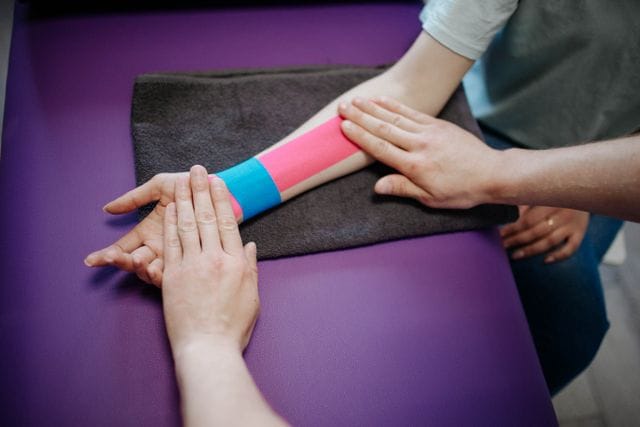
Physiotherapy may help manage symptoms and improve function in selected cases, particularly mild to moderate presentations. However, it cannot guarantee a cure, and significant nerve compression may require medical or surgical treatment.
Typing and other repetitive activities may aggravate symptoms, but they are not the only possible contributing factors. Several health conditions and individual risk factors can also play a role.
A neutral-position wrist splint may help some people, especially when symptoms occur during sleep. Ask a healthcare professional whether it is suitable for your symptoms.
Some gentle exercises may be appropriate, but the correct choice depends on the cause and severity of your symptoms. Stop movements that worsen numbness or tingling and seek professional guidance.
Seek medical advice if numbness persists, symptoms repeatedly return, grip strength decreases, or you begin dropping objects. Progressive loss of sensation or thumb weakness requires prompt assessment.
You can learn more about Mission Health Physiotherapy’s services in Brooks and contact the clinic to discuss your symptoms and available assessment options.
Carpal tunnel syndrome can affect sleep, work, and everyday hand function. Recognising the symptoms early, adjusting aggravating activities, and obtaining an appropriate assessment can help you make informed decisions about treatment.
Carpal Tunnel Syndrome Physiotherapy in Brooks may be a useful part of conservative care when clinically appropriate. If numbness, tingling, or weakness continues, do not rely on exercises alone. Seek professional assessment to determine the most suitable next steps.
Visit Mission Health Physiotherapy to learn more about physiotherapy services and rehabilitation options in Brooks, Alberta.