
Shin Splints Physiotherapy in Brooks for shin pain, running injuries, strengthening and a gradual return to exercise and sports.
Shin pain can turn a simple run, workout, or recreational activity into an uncomfortable experience. If pain along the front of your lower leg keeps returning, Shin Splints Physiotherapy in Brooks can help identify contributing factors and create a structured plan to improve strength, mobility, and activity tolerance.
Shin splints are commonly associated with repeated stress on the shin bone and surrounding tissues. Running, jumping, sudden increases in training, hard surfaces, and worn-out footwear can all contribute to symptoms. MyHealth Alberta’s Shin Splints Care Instructions provides additional information about common causes and self-care.
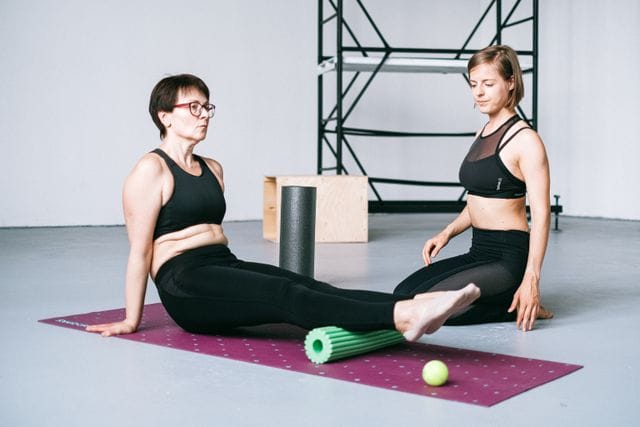
Shin splints generally cause pain along the front or inner portion of the lower leg. The discomfort may initially appear during exercise and improve after activity, but symptoms can become more persistent when the underlying stress continues.
Common symptoms can include:
Runners and people participating in high-impact activities can be particularly susceptible because the lower legs repeatedly absorb forces during movement.
There is rarely just one reason for shin pain. Several training and movement factors can contribute.
Increasing running distance, speed, frequency, or workout intensity too quickly can place additional stress on the lower leg.
Running, basketball, tennis, and other jumping or impact-based activities repeatedly load the lower leg. Training on hard surfaces can increase the overall demand.
Shoes that have lost their cushioning or no longer provide appropriate support may contribute to discomfort during repetitive activity.
Training hard without enough recovery between sessions can make it difficult for the body to adapt to increasing physical demands.
Moving suddenly from softer surfaces to concrete, asphalt, or other harder surfaces can change the amount of impact your legs experience.
Occasional discomfort after an unusually demanding workout does not necessarily mean you need treatment. However, persistent or recurring shin pain deserves attention.
You may want to consider Shin Splints Physiotherapy in Brooks if:
A physiotherapy assessment can look at your symptoms, ankle and calf mobility, strength, balance, movement patterns, training history, and activity demands.
You can also explore Physiotherapy in Brooks to learn more about Mission Health’s physiotherapy services.
Physiotherapy is not simply about reducing pain. The goal can also be to understand why the symptoms developed and gradually improve your body’s ability to handle physical demands.
Your physiotherapist may assess:
This information helps determine which factors may need attention during rehabilitation.
You may not need to stop all physical activity.
Instead, certain high-impact activities may temporarily need to be reduced while lower-impact alternatives are introduced. MyHealth Alberta recommends reducing painful activity and gradually returning to exercise as symptoms improve. (MyHealth Alberta)
Depending on your situation, swimming, cycling, or other lower-impact activities may provide ways to stay active while reducing repetitive impact.
Once appropriate, rehabilitation can include exercises for the calves, shin muscles, ankles, feet, and other areas involved in lower-limb movement.
MyHealth Alberta also provides Shin Splints Exercise Instructions, including calf and shin muscle stretches. Exercises should be introduced according to your symptoms and recovery stage rather than performed aggressively.
As your symptoms improve, your rehabilitation can progress toward the activities you actually want to perform.
For a runner, that could mean gradually progressing from walking to jogging and eventually returning to normal running volume. For an athlete, the program may eventually include jumping, acceleration, changes of direction, and sport-specific drills.
That depends on your symptoms and the severity of the problem.
If running consistently increases your pain, continuing with the same distance and intensity may keep irritating the affected area. Instead, your activity may need to be temporarily modified.
Useful variables to consider include:
MyHealth Alberta recommends reducing running speed and distance and choosing lower-impact activities while symptoms settle. It also recommends gradually increasing exercise again rather than immediately returning to your previous training routine.
Exercises should be selected according to your current symptoms and physical capacity.
A rehabilitation program may include:
Calf flexibility can be addressed with controlled stretching when appropriate. MyHealth Alberta describes both straight-knee and bent-knee calf stretches for shin splints.
Gentle shin muscle stretching may also be incorporated into rehabilitation.
Exercises such as heel raises can progressively challenge the calf muscles and improve their ability to tolerate loading.
Single-leg balance and controlled lower-limb exercises may be useful when weakness or movement-control issues are identified.
For runners, the final stage of rehabilitation may involve gradually increasing running duration, speed, and intensity.
The objective is to build tolerance progressively instead of repeatedly exposing the lower leg to more load than it can currently handle.
Recovery varies depending on how long the symptoms have been present, the amount of activity involved, and whether the contributing factors are addressed.
Your recovery may be influenced by:
MyHealth Alberta recommends seeking medical advice if symptoms are not improving after two weeks, become worse, or become concentrated in a small area of the shin.
Yes. Returning to the same training pattern that contributed to the original problem can increase the possibility of recurring symptoms.
A longer-term approach can therefore focus on more than pain reduction. Your rehabilitation may also address:
Mission Health’s Sports Injury Rehab in Brooks specifically includes shin splints among the overuse injuries treated at the clinic. Its program uses personalized treatment plans, progressive strengthening, conditioning, and sport-specific rehabilitation.
Not every case of shin pain is necessarily shin splints.
Other conditions can produce similar symptoms, including stress-related bone injuries. MyHealth Alberta notes that medical assessment may sometimes be needed to rule out other causes, including a stress fracture.
Pay particular attention if the pain becomes severe, worsens, becomes concentrated in one small area, or does not improve despite reducing aggravating activity.
In those situations, getting an appropriate assessment is more useful than simply continuing to train through the pain.
Mission Health Physiotherapy & Sports Rehab provides personalized sports injury rehabilitation in Brooks.
The clinic’s sports injury program addresses both acute and overuse injuries and uses assessment, progressive exercise, strength development, movement correction, conditioning, and sport-specific drills where appropriate.
For someone dealing with recurring shin pain, Shin Splints Physiotherapy in Brooks can therefore involve more than treating the immediate discomfort. The rehabilitation process can also focus on improving your ability to tolerate the activities that matter to you.
Learn more about Sports Injury Rehab in Brooks or explore Physiotherapy in Brooks to see the available treatment options.
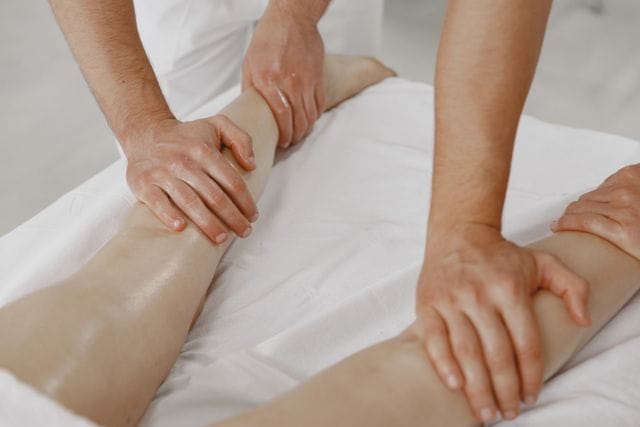
Yes. Physiotherapy can help assess contributing factors, modify activity, improve mobility and strength, and develop a gradual return-to-exercise plan.
If running increases your pain, reducing running volume or temporarily choosing lower-impact activities may be appropriate. A physiotherapist can help determine how to progress safely.
Appropriate footwear may help reduce some contributing factors, particularly when existing shoes are worn out. MyHealth Alberta recommends shoes with appropriate arch support and cushioning.
Muscle weakness can be one contributing factor, but shin pain can involve several factors, including training load, surfaces, footwear, mobility, and movement patterns.
Consider an assessment when the pain persists, repeatedly returns, interferes with exercise, or prevents you from progressing your normal activities.
Shin pain does not have to permanently interrupt your running, exercise, or sports routine. Understanding the factors contributing to the problem and gradually rebuilding your capacity can make the return to activity more structured.
If persistent shin pain is affecting your training or everyday movement, Shin Splints Physiotherapy in Brooks can provide an individualized approach to assessment, rehabilitation, strengthening, and return to activity.
Visit Mission Health Physiotherapy & Sports Rehab to learn more about available physiotherapy and sports rehabilitation services.