
Get foot pain physiotherapy in Brooks with personalized treatment, exercises, and rehabilitation to improve mobility, strength, balance, and function.
Foot pain can affect almost every part of your daily routine. Walking, standing at work, exercising, climbing stairs, or simply getting through a normal day can become difficult when your feet hurt.
Symptoms may develop after an injury, through repetitive activity, or gradually without one obvious event. Conditions such as plantar fasciitis, tendon problems, overuse injuries, sprains, and changes in foot mechanics can all contribute to discomfort.
For people experiencing persistent symptoms, Foot Pain Physiotherapy in Brooks can provide a structured approach to improving mobility, strength, balance, and physical function.
At Mission Health Physiotherapy & Sports Rehab in Brooks, treatment begins with an individualized assessment. Your physiotherapist can consider your symptoms, movement, strength, activity level, footwear, work requirements, previous injuries, and personal goals when developing a rehabilitation plan.
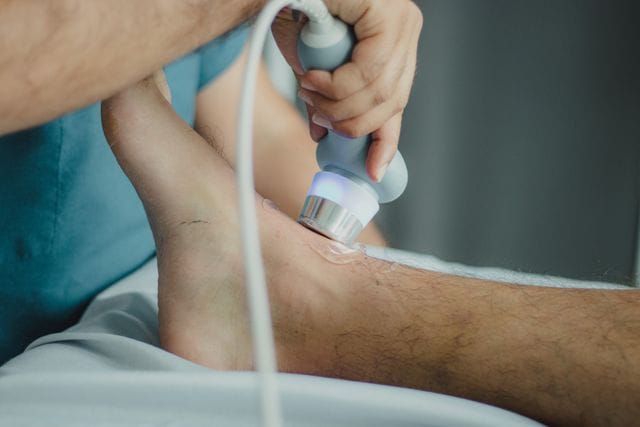
Your feet contain numerous bones, joints, muscles, tendons, ligaments, and other structures that work together to support your body and absorb forces during movement.
Because the feet are constantly exposed to load, different problems can cause pain.
Common causes include:
The location of the pain can sometimes provide clues about the underlying problem. For example, pain under the heel may be associated with plantar fasciitis, while pain around the ankle and foot may occur after a sprain.
However, similar symptoms can occur with different conditions. Therefore, persistent pain should be properly assessed rather than automatically attributed to one specific problem.
Foot conditions can produce different symptoms depending on the affected structures.
You may experience:
Some symptoms may be worse after periods of inactivity, while others may increase after prolonged standing or exercise.
Keeping track of when your symptoms appear can provide useful information during a physiotherapy assessment.
Minor foot discomfort may improve after modifying the activity that aggravated it. However, professional assessment may be worthwhile when symptoms persist or begin affecting your normal activities.
Consider Foot Pain Physiotherapy in Brooks if:
A physiotherapist can assess your movement and help determine whether rehabilitation is appropriate for your condition.
Physiotherapy for foot pain is not limited to treating the painful area.
Your physiotherapist may also examine the ankle, knee, hip, and overall movement pattern because the lower limb functions as a connected system.
An assessment may examine:
This information helps determine which factors may be contributing to your symptoms.
Stiffness in the foot or ankle can affect walking and other movements.
Depending on your condition, rehabilitation may include controlled mobility exercises designed to restore comfortable movement.
The specific exercises should be matched to your diagnosis and stage of recovery.
Foot rehabilitation can include strengthening of the muscles supporting the foot and ankle.
Depending on your needs, exercises may target:
Progressive strengthening can help improve the amount of physical load your lower limb can tolerate.
Plantar fasciitis is a common cause of heel and bottom-of-the-foot pain.
People may notice discomfort around the heel or arch, particularly during the first steps after getting out of bed or after a period of rest.
The condition can be associated with changes in activity, repetitive loading, running, prolonged standing, and other factors.
The NHS explains that plantar fasciitis commonly causes pain under the heel or foot and that treatment may include stretching, strengthening, footwear changes, and other conservative approaches.
You can review the NHS guidance on plantar fasciitis for additional information.
Physiotherapy may focus on factors such as:
The appropriate combination depends on the individual.
Yes, depending on the cause.
Heel pain can result from different conditions, so the first step is understanding what may be contributing to the symptoms.
For example, plantar fasciitis is one potential cause, while tendon problems, stress injuries, nerve-related problems, or other conditions can produce pain in a similar region.
Consequently, treatment should be based on assessment rather than simply applying the same treatment to every person with heel pain.
Running places repeated loads through the feet and lower limbs.
Symptoms may develop after:
This does not necessarily mean running itself is harmful.
Instead, rehabilitation may examine whether your current training load matches your physical capacity.
Your program may include:
For runners, the ultimate objective is to rebuild the ability to tolerate the demands of running rather than simply avoiding it indefinitely.
Athletes place substantial demands on their feet.
Running, jumping, cutting, landing, and rapid changes of direction require strength, mobility, balance, and coordination.
For this reason, sports rehabilitation may eventually progress beyond basic exercises.
Mission Health’s Sports Injury Rehab in Brooks program uses personalized rehabilitation and progressive exercise to help active individuals work toward returning to their preferred activities.
A gradual return may involve:
The appropriate progression depends on the injury and your physical readiness.
Custom orthotics may be considered for some people with specific foot or lower-limb problems.
However, orthotics are not automatically necessary for everyone with foot pain.
Mission Health provides Custom Orthotics in Brooks and assesses factors such as foot mechanics, gait, posture, and overall alignment when determining whether orthotics may be appropriate.
For some patients, orthotics may form part of a broader treatment strategy alongside exercises, education, and activity modification.
The foot is designed to handle substantial loads.
If strength or movement capacity is reduced, certain activities may become more challenging.
A rehabilitation program may therefore include progressive exercises for the foot, ankle, calf, and other lower-limb muscles.
For example, exercises may progress from basic controlled movements to calf raises, balance activities, single-leg exercises, and more demanding functional movements.
The correct progression depends on the individual’s symptoms and physical capacity.
Balance is especially important for people returning to sports or recovering from lower-limb injuries.
Single-leg balance, controlled weight shifting, and dynamic movement can help challenge the body’s ability to maintain control during activity.
As recovery progresses, exercises may become more dynamic and eventually reflect the movements required by your sport or occupation.
This helps connect rehabilitation exercises with real-world demands.
Yes.
The foot, ankle, knee, hip, and pelvis work together during walking, running, jumping, and other movements.
Changes in one area can sometimes influence movement elsewhere in the lower limb.
For example, persistent foot symptoms may alter how someone walks or loads the leg.
Therefore, a comprehensive assessment may consider the entire lower-limb movement pattern rather than focusing only on the location of pain.
Foot problems can be particularly frustrating when your job requires prolonged standing or walking.
Occupational demands may include:
A rehabilitation plan can take these requirements into account.
For example, someone who works on their feet may need to gradually rebuild standing and walking tolerance before returning to a full workload.
Home management depends on the underlying condition.
Some general strategies may include:
For plantar fasciitis specifically, the NHS recommends measures including stretching, appropriate footwear, and activity modification.
However, generic exercises are not appropriate for every type of foot problem.
If symptoms persist or worsen, professional assessment is preferable to continuing an ineffective home routine.
Recovery time depends on the cause and severity of the problem.
A mild overuse problem may improve relatively quickly, while chronic plantar fasciitis, a significant injury, or a stress-related problem may require a longer rehabilitation period.
Recovery can be influenced by:
For this reason, an individualized assessment provides a more useful recovery estimate than a generic timeline.
Some foot problems require medical assessment rather than physiotherapy alone.
Seek medical attention if:
A fracture or other significant injury may require imaging or medical management before rehabilitation can safely progress.
Effective rehabilitation should address your individual symptoms and physical requirements.
Mission Health Physiotherapy & Sports Rehab in Brooks provides personalized physiotherapy for people dealing with injuries, persistent pain, mobility limitations, and activity-related problems.
Treatment may include:
The clinic also provides custom orthotics and sports injury rehabilitation where appropriate.
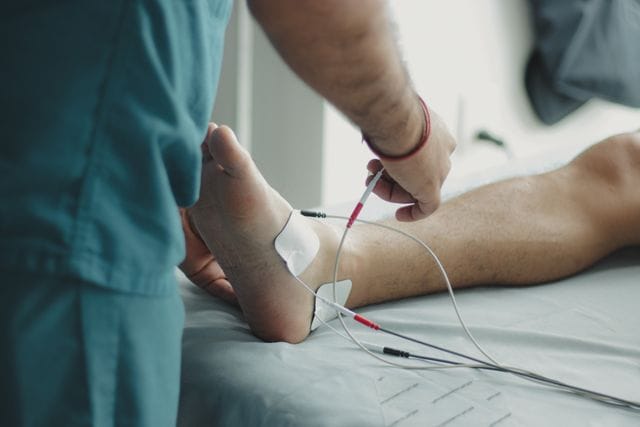
Physiotherapy can help with many musculoskeletal foot problems by addressing mobility, strength, balance, movement, and activity tolerance. Treatment depends on the underlying condition.
Yes. Depending on the individual, rehabilitation may include strengthening, stretching, activity modification, load management, and other treatment strategies.
Recovery varies considerably. Some cases improve with conservative treatment, while persistent symptoms may require a longer period of rehabilitation.
Not necessarily. Orthotics are appropriate for some people but not everyone. An assessment can help determine whether they may be useful for your particular situation.
That depends on the cause and severity of your symptoms. Your physiotherapist can help determine whether running should be modified and how to progress your training safely.
Yes. Previous injuries can sometimes leave weakness, stiffness, balance deficits, or changes in movement that continue to affect function.
You can generally contact a physiotherapy clinic directly in Alberta. However, insurance providers may have their own requirements, so check your coverage before submitting a claim.
Severe pain, inability to bear weight, major swelling, deformity, significant numbness, or symptoms following major trauma should be medically assessed.
Foot pain can affect walking, standing, work, exercise, and sports. While some minor problems improve with appropriate activity modification, persistent symptoms may require a more structured rehabilitation approach.
Through assessment, progressive strengthening, mobility work, balance training, education, and functional rehabilitation, Foot Pain Physiotherapy in Brooks can help you work toward better movement and physical capacity.
If foot pain is limiting your daily activities or preventing you from returning to exercise or sports, consider booking an assessment with Mission Health Physiotherapy & Sports Rehab.
Mission Health Physiotherapy & Sports Rehab
740 Alberta Street W
Brooks, AB T1R 1A9
Phone: (403) 794-0111